
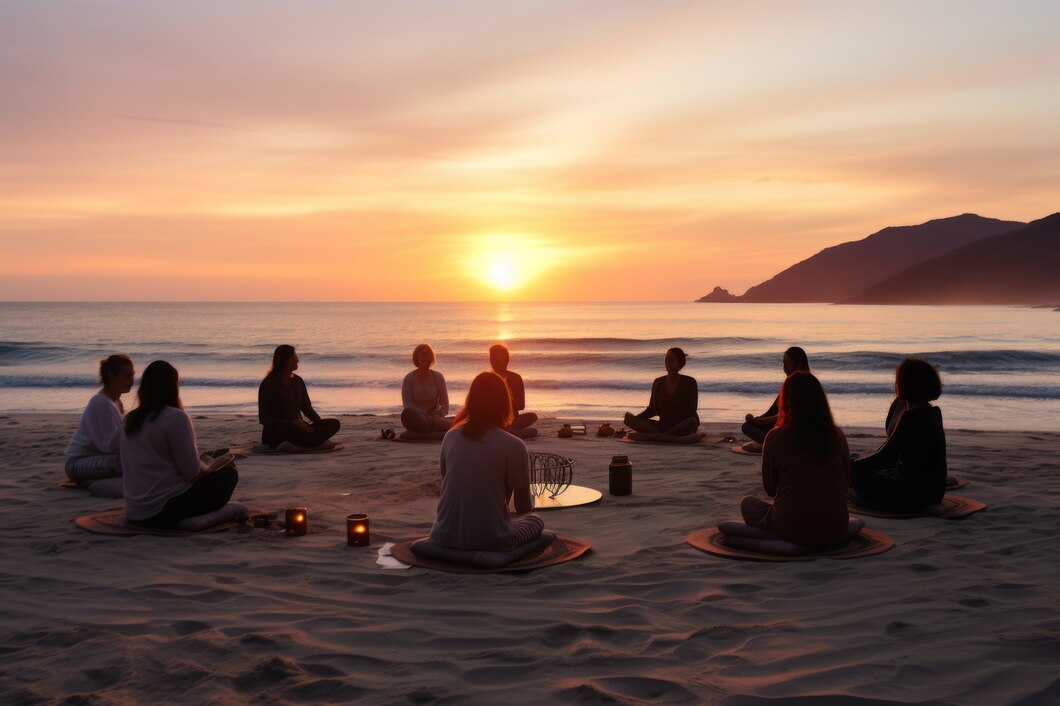
Yoga Retreat & Meditation in Riverside: Can One Practice Shift Your Entire Health?
We have always believed that healing doesn’t happen in pieces. The mind and the body aren’t separate systems running in parallel. They are deeply interconnected, and what you do for one directly affects the other. That is the philosophy behind our yoga classes and holistic care services, which bring structured movement, breathwork, and meditation into the same clinical environment where we manage psychiatry, primary care, and addiction recovery.
For Riverside residents specifically, this matters more than it might seem. Long commutes, economic pressure, and limited green space create conditions where the nervous system rarely gets to fully reset. A yoga retreat and meditation in Riverside, LA context isn’t just about flexibility or mindfulness buzzwords. It’s about giving your physiology a structured opportunity to shift out of a chronic stress response.
What Does a Yoga Retreat Actually Do for Your Mental Health?
The word retreat suggests something temporary, a break from the ordinary. But the effects of a sustained yoga and meditation practice are anything but temporary. A 2018 meta-analysis published in the Journal of Clinical Psychology found that mindfulness-based interventions, which include meditation and yoga, produced significant reductions in anxiety, depression, and stress across diverse clinical populations.
What yoga does physiologically is activate the parasympathetic nervous system, the branch responsible for rest, digestion, and cellular repair. When you hold a pose, focus on breath coordination, and maintain present awareness, you are directly counteracting the sympathetic nervous system dominance that chronic stress produces. Over time, regular yoga practice measurably reduces cortisol levels, lowers resting heart rate, and improves sleep quality. These aren’t anecdotal benefits. They are documented in peer-reviewed research from institutions including Harvard Medical School.
For patients already receiving psychiatric care at Scintadel Healthcare, Inc., yoga isn’t a replacement for medication or therapy. It is a complement that accelerates and deepens the work being done clinically.
How Does Meditation Work on a Neurological Level?
Meditation is one of the few behavioral interventions with documented structural effects on the brain. Studies using neuroimaging have shown that regular meditation practice increases gray matter density in the prefrontal cortex, the area responsible for emotional regulation, decision-making, and impulse control. It also appears to reduce the size and reactivity of the amygdala, the brain’s threat-detection center, which is overactive in conditions like anxiety and PTSD.
A practice as brief as eight weeks of daily meditation has been shown to produce measurable changes in brain structure and function, according to research from Massachusetts General Hospital published in Psychiatry Research: Neuroimaging. That is a relatively short investment for a significant return, particularly for patients who are simultaneously working with psychiatric medication or therapy.
Here are some specific conditions that research supports meditation addressing:
- Generalized anxiety disorder and chronic worry patterns
- Major depression and seasonal affective disorder
- PTSD symptom severity, particularly hyper vigilance
- Insomnia and sleep initiation difficulties
- Chronic pain with psychosomatic components
Why Is Riverside a Growing Market for Holistic Mental Health Care?
Riverside County has seen significant population growth over the past decade, driven in part by people moving inland from Los Angeles and Orange County in search of more affordable housing. That demographic shift has brought a new level of demand for quality healthcare services, including mental health and holistic care options that were previously concentrated in coastal urban centers.
According to the U.S. Census Bureau, Riverside County’s population grew by approximately 8.4% between 2010 and 2020. That growth has not been matched by a proportional expansion of mental health infrastructure, creating real gaps in access that practices like Scintadel Healthcare, Inc. are working to address. Our holistic care offerings, including yoga and meditation, extend that mission beyond clinical psychiatry into preventive wellness.
How Does Scintadel Healthcare, Inc. Integrate Yoga and Meditation Into Clinical Care?
The integration isn’t incidental. At Scintadel Healthcare Inc, yoga and meditation sit alongside pranayama, spirituality, and holistic nutrition as deliberate components of a whole-person care model. For patients who are also receiving psychiatric services or primary care through our practice, the holistic services are coordinated rather than siloed. That means your prescribing clinician knows what you are doing in your yoga practice, and your yoga sessions are designed with awareness of your clinical history.
We see this model as the future of integrative medicine, and the evidence supports it. The Scintadel Healthcare homepage lays out the full scope of what we offer, and patients are encouraged to explore how different service lines interact to support their specific health goals. If you are ready to get started, reach out through our contact page.
A recently published Scintadel blog on PTSD therapy, PTSD Therapist in Los Angeles: Is Your Brain Stuck in the Past?, explores how holistic approaches intersect with trauma recovery in greater detail.
For more on what the research says about yoga and mental health, the Wikipedia entry on yoga as therapy offers a useful overview of the clinical evidence base.
Frequently Asked Questions
- Is yoga at Scintadel Healthcare suitable for beginners?
Classes are structured to accommodate all experience levels, with modifications available for those with physical limitations or who are new to the practice. - Can yoga replace psychiatric medication for anxiety or depression?
Yoga is a powerful complement to clinical treatment but is not a substitute for medication when medication is clinically indicated. It works best alongside evidence-based psychiatric care. - How often should someone practice meditation to see mental health benefits?
Research suggests consistency matters more than duration. Even 10 to 15 minutes of daily meditation practiced consistently over 8 weeks produces measurable neurological changes. - Does Scintadel Healthcare offer yoga and meditation through telehealth?
Guided meditation and some yoga sessions can be accessed remotely, making participation possible for Riverside residents who face transportation or scheduling barriers. - How does meditation help with PTSD specifically?
Meditation reduces amygdala reactivity, which lowers the intensity of trauma-triggered stress responses. Combined with trauma-focused therapy, it accelerates symptom reduction.