
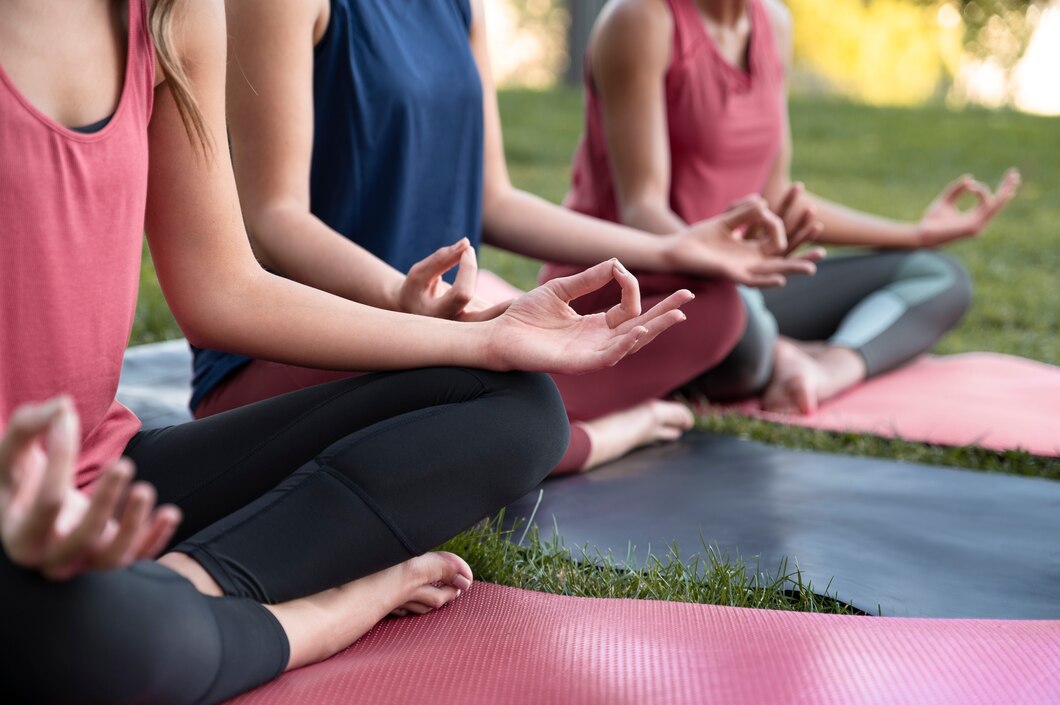
Yoga Classes in Los Angeles: Are You Taking the Practice Seriously?
We offer yoga at Scintadel Healthcare, Inc. not as a wellness add-on but as a clinical tool. That distinction shapes everything from how our sessions are structured to who leads them and how they connect to the rest of your care plan. For patients navigating mental health conditions, chronic stress, or recovery from addiction, yoga classes in Los Angeles through a healthcare-integrated practice offer something that a studio membership simply can’t: clinical context.
But most of what is available operates in a commercial space disconnected from medicine. When yoga is practiced within a healthcare framework, the benefits extend significantly beyond flexibility and stress reduction.
Why Does Yoga Work Differently in a Clinical Setting?
The core difference is intentionality. A commercial yoga class is designed to serve a general population with general goals. A clinically integrated yoga session is designed with awareness of specific conditions, medication interactions, physical limitations, and therapeutic goals. For someone managing bipolar disorder, the breathing and activation patterns used in a class matter. For someone recovering from addiction, certain practices support nervous system regulation in ways that directly reduce cravings and emotional volatility.
Yoga, in its classical form, is far more than postures. According to Wikipedia’s entry on yoga, the tradition encompasses physical postures (asanas), breath control (pranayama), meditation, and philosophical principles that together aim at integrating mind, body, and consciousness. At Scintadel Healthcare, Inc., we draw on that full framework rather than reducing yoga to its physical component.
Research published in the International Journal of Yoga found that yoga interventions of 12 weeks or more significantly reduced depression and anxiety scores in clinical populations, with effects that persisted at 3-month follow-up. That kind of sustained benefit doesn’t happen with sporadic, drop-in participation. It comes from consistency within a structured program.
What Does Yoga Offer People Managing Mental Health Conditions?
The short answer is regulation. Mental health conditions, particularly anxiety, depression, PTSD, and addiction, share a common physiological thread: dysregulation of the autonomic nervous system. The stress response becomes either chronically activated or unpredictably reactive, and the body loses its natural ability to return to a calm baseline.
Yoga practices specifically target that dysregulation through several mechanisms. Controlled breathing activates the vagus nerve, which is the primary neural pathway for parasympathetic activation. Sustained physical postures build tolerance to discomfort and train the nervous system to remain calm under mild stress. Meditation and intention-setting practices strengthen prefrontal cortical control over the limbic system, which governs emotional reactivity.
Here is how different patient groups benefit from regular yoga practice:
- Anxiety: Controlled breathing and grounding postures reduce acute anxiety symptoms and cortisol output
- Depression: Physical movement and rhythmic breathing increase serotonin and dopamine activity
- PTSD: Body-based practices help patients develop a safer relationship with physical sensation
- Addiction recovery: Nervous system regulation reduces the physiological discomfort that triggers relapse
- Chronic stress: Regular practice shifts the default nervous system state toward parasympathetic baseline
How Does Yoga Fit Into Care for Orange County Patients?
Yoga in Orange County, CA is increasingly being recognized as a serious mental health resource rather than purely a fitness option. For patients receiving psychiatric care through Scintadel Healthcare, Inc., the yoga classes service page provides a direct pathway into holistic care that integrates with clinical services already in place.
Orange County’s population skews toward high-stress professional demographics, with a significant concentration of healthcare, finance, and technology workers. Chronic workplace stress is one of the primary drivers of anxiety and burnout in that population. A yoga practice embedded in a clinical care model, rather than separated from it, ensures that the stress management work being done in yoga sessions reinforces rather than works against the clinical work being done in psychiatric appointments.
The Scintadel Healthcare homepage outlines the full integration between medical, mental health, and holistic care services for patients who want to understand how everything connects. For questions about getting started, the contact page is the best first step.
What Does a Typical Scintadel Yoga Session Involve?
Sessions incorporate asana sequences adapted to the patient’s physical capacity and therapeutic goals, pranayama exercises tied to the nervous system state being targeted, and a brief meditation or intention practice at the close. The structure changes depending on whether the session is oriented toward activation, as in treating depression, or toward calming, as in treating anxiety and hyperarousal.
Scintadel’s recent blog, Mental Health Clinic in Los Angeles: Why is Clinical Integration the Future?, explores how the practice’s holistic services connect with its clinical mission in greater detail.
Frequently Asked Questions
- Are yoga classes at Scintadel Healthcare available to patients who are not receiving psychiatric care?
Yoga and holistic care services are open to patients interested in wellness regardless of whether they are also receiving psychiatric or medical services through the practice. - What is the difference between yoga therapy and a standard yoga class?
Yoga therapy is adapted to specific health conditions and goals with clinical oversight. A standard class serves general participants without individualization based on medical history. - Can yoga help with addiction recovery?
Yoga supports addiction recovery by reducing autonomic nervous system dysregulation, improving emotional tolerance, and building non-substance-dependent coping strategies. - How many sessions are needed to see results?
Research consistently shows that 8 to 12 weeks of consistent practice produces measurable changes. Benefits begin accruing much earlier, often within the first few sessions. - Does Scintadel Healthcare offer both in-person and virtual yoga sessions?
Virtual options make the program accessible to Los Angeles and Orange County residents with scheduling or transportation constraints.